Go Green This Season: The Organic Gardener’s Ultimate Planting Guide!
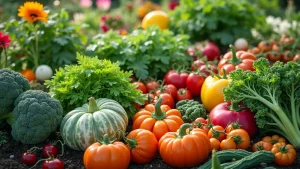
Spring is here, and with it comes the irresistible urge to dig your hands into the soil and watch life sprout before your eyes. As the days grow longer and the air warms, you may find yourself craving fresh herbs, colorful blooms, and homegrown vegetables. That’s why I created this post— to guide you through the exciting world of organic gardening this season.
If you’re someone who cares about the environment and loves to nurture living things, this guide is for you. Whether you’re a seasoned gardener or just starting, knowing how to plant sustainably can transform your backyard into a green paradise. Together, we’ll explore the ins and outs of organic gardening, focusing on seasonal planting that respects nature.
In this ultimate planting guide, you’ll discover practical tips for choosing organic seeds, preparing your soil naturally, and selecting the right plants for your zone. You’ll also learn about sustainable gardening practices that attract beneficial wildlife and enrich your garden’s ecosystem. Plus, with insights on composting, watering wisely, and even harvesting your bounty, you will feel empowered to cultivate a lush and fruitful space.
Join me on this journey to go green this season. Let’s dig deep into the earth, celebrate nature, and enjoy the fruits of our labor. With the right tools and knowledge, you’ll not only enhance your garden but also contribute positively to the planet.
Key Takeaways
– Understand the importance of seasonal planting cycles to maximize your garden’s potential and ensure healthy growth.
– Learn how to choose the best organic seeds for your climate, boosting both yield and sustainability.
– Discover practical tips for preparing your soil naturally to enhance fertility and promote a thriving garden ecosystem.
– Explore sustainable gardening practices that not only help your plants flourish but also attract beneficial wildlife like pollinators.
– Get hands-on advice about harvesting and storing your produce so you can enjoy the results of your hard work all season long.
1. Choosing Your Organic Seeds

Starting with the right seeds sets your entire garden on a healthy path. Choose certified organic and non-GMO seeds to avoid unwanted chemicals. Look for regional varieties that perform well in your climate, often sold in location-specific packets. Heirloom seeds add flavor and resilience, offering a link to generations of growing wisdom.
Jump in with a plan: map out a small trial and watch how seedlings adapt. Keep an eye on germination rates so you don’t waste space or soil. Shop at local seed banks or farmers markets for fresh, organic options.
• Use organic seeds to safeguard soil health and flavor
• Choose regional varieties that suit your climate and season
• Pick heirloom options for richer taste and sturdy survival
• Add seed germination checks before planting large batches
Starting with strong seeds sets the stage for a confident, thriving garden.
Choosing Your Organic Seeds
Editor’s Choice

🛍️
Back to the Roots Heirloom Organic, Non-GMO & USA Grown Seeds, 30ct Herb…
 Amazon$19.99
★★★★4.4(3.1K reviews)

📦
Sondiko Seed Starter Tray with Grow Light, 80 Cells Seed Starter Kit wit…
Amazon$26.09
★★★★4.3(5.2K reviews)

🎁
Espoma Organic Seed Starter Premium Potting Soil Mix – All Natural & Org…
Amazon$22.25
★★★★4.4(1.9K reviews)
2. Preparing Your Soil Naturally

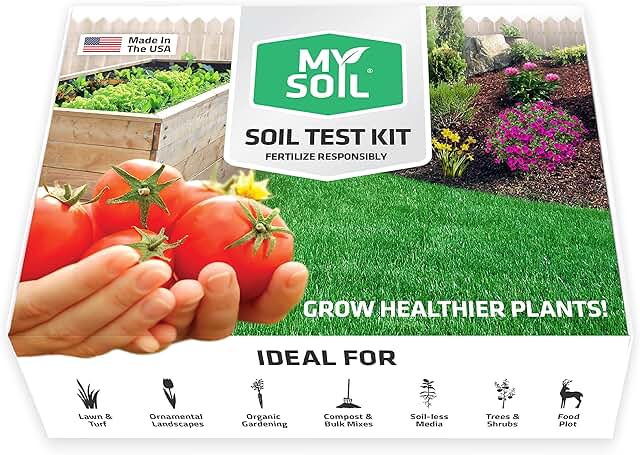
Great plants start with strong soil. Begin with a quick soil test to learn pH and nutrient levels. Add compost or aged manure to feed soil life and improve structure. Aim for a crumbly mix that holds moisture yet drains well.
Avoid chemical fertilizers; they can harm beneficial soil life. Regularly mix in organic matter and mulch to feed microbes and suppress weeds. Keep enriching the soil as you plant and you’ll see healthier roots.
• Use compost and manure to enrich soil for lasting health
• Choose organic mulch to retain moisture and reduce weeds
• Pick a crumbly soil texture that supports roots and drainage
• Add soil testing to tailor amendments throughout the season
Healthy soil lays the groundwork for vibrant, high yield growth.
Preparing Your Soil Naturally
Editor’s Choice

🛍️
Premium Organic Compost
Amazon$21.97
★★★★☆4.7(442 reviews)

📦
Premium Organic Wood Mulch for Gardens, Landscaping, Potted Plants, and …
Amazon$18.99
★★★☆☆3.6(256 reviews)
🎁
MySoil Soil Test Kit, Unlock Your Lawn & Garden Potential, Complete & Ac…
Amazon$27.19
★★★★☆4.6(3.6K reviews)
3. Selecting the Right Organic Plants

Diversity keeps a garden lively and productive. Think about what you love to cook and what thrives in your climate. Start with easy herbs like basil and thyme, then mix in vegetables that grow quickly and others that pay off later. Include flowers that attract pollinators for steady yields.
Build a balance of fast growers and steady performers to keep beds lively. Add pollinator-friendly plants to support the whole ecosystem. Plant herbs near vegetables for aroma and pest relief. Let your crop choices echo your kitchen and climate.
• Use herbs and quick greens for beginners in small spaces
• Choose crop diversity for balance and yields
• Pick pollinator-friendly flowers to boost health and abundance
• Add culinary varieties that fit meals
Your plant mix should mirror your kitchen and climate.
Selecting the Right Organic Plants
Editor’s Choice
🛍️
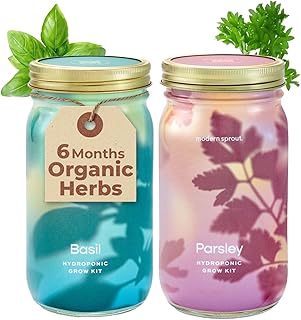
Modern Sprout Mason Garden Jar – Self-Watering Hydroponics Growing Syste…
Amazon$40.00
★★★☆3.3(116 reviews)

📦
Wildflower Seeds Bulk, 2 Oz. 80,000+ Seeds – Save The Bees Mix with 19 N…
Amazon$17.46
★★★★4.3(9K reviews)

🎁
Land Guard Galvanized Raised Garden Bed Kit, Galvanized Planter Garden B…
Amazon$26.98
★★★★☆4.5(11.2K reviews)
4. Sustainable Gardening Practices

Green methods keep the soil and air clean while still producing abundance. Conserve water with efficient layouts and systems. Compost kitchen scraps and yard waste to feed soil life. Native plants reduce water use and support local wildlife.
Rotate crops to refresh nutrients and cut disease pressure. Watch for pests and rely on natural controls first. Seek seeds and tools from local eco-friendly sources. Small changes add up to big environmental wins.
• Use native plants to save water
• Choose drip irrigation for efficiency
• Pick composted material to enrich soil
• Add biological pest control to protect crops
Small steps grow into a thriving, resilient garden.
Did you know native plants can slash garden water use by up to 50%? As part of your seasonal planting guide, pair them with smart composting and crop rotation, and you’ll grow more with less effort. Small, practical tweaks add up to a big, green impact.
Sustainable Gardening Practices
Editor’s Choice

🛍️
Native Plant Seeds for Planting 24 Variety Pack – Perennial & Annual Nor…
Amazon$28.11
★★★★☆4.8(19 reviews)

📦
Bonviee Drip Irrigation System, 230FT Garden Watering System with Quick-…
Amazon$28.82
★★★★4.4(758 reviews)

🎁
EPICA Countertop Compost Bin Kitchen | 1.3 Gallon | Odorless Composting …
Amazon$24.21
★★★★☆4.6(20.3K reviews)
5. Attracting Beneficial Wildlife

Welcoming wildlife helps pollination and pest control. Plant a mix of native nectar sources to lure bees and butterflies. Create safe habitats with small ponds or bee hotels. Birds and insects bring life and color to beds.
Offer water and shelter to invite visitors, and keep chemicals away to protect them. Plan layered plantings that give food and cover. Watching wildlife adds joy and depth to your garden.
• Use native nectar plants to attract bees throughout growing beds
• Choose water features for wildlife serenity
• Place birdhouses or bee hotels to invite helpers
• Add wild habitat corners to sustain biodiversity
A lively yard feels inviting and calm all season.
Attracting Beneficial Wildlife
Editor’s Choice

🛍️
Agave Blue Glow Live Plant, Indoor & Outdoor Succulent (3 Gallons)
Amazon$69.00
★★★★★5(1 reviews)
📦
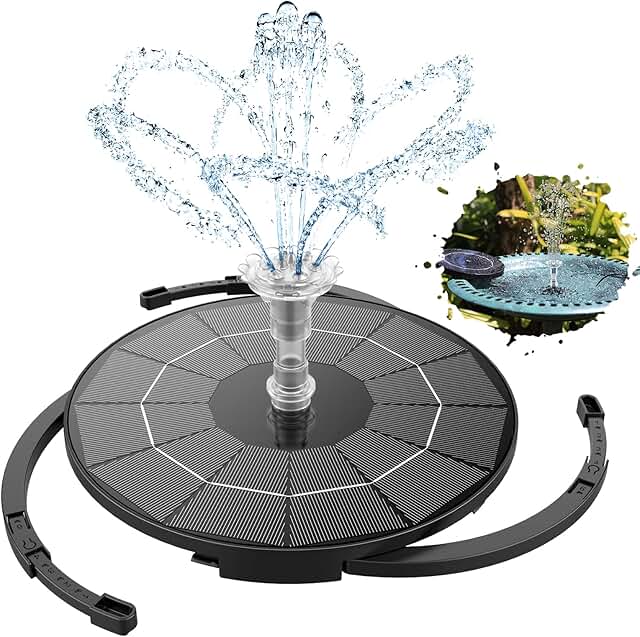
AISITIN 3.5W Solar Fountain Pump for Water Feature Outdoor DIY Solar Bir…
Amazon$19.99
★★★★☆4(13.6K reviews)

🎁
Insect Hotel – Pollinator House and Bug Condo for a Snug Home Outdoors -…
Amazon$22.09
★★★★☆4.5(3.1K reviews)
6. Composting: Nature’s Recycling System

Composting turns scraps into black gold for soil. Set up a bin or a simple pile in a quiet corner. Layer greens like kitchen scraps with browns like leaves for fast decay. Turn the pile to speed up the process.
Keep it moist and airy. Avoid meat and fats that attract pests. Use finished compost as a topdress to feed roots. Let it cure before mixing into beds.
• Use greens and browns in balanced layers
• Choose well-chopped scraps to speed composting
• Pick a corner with shade for bins
• Add finished compost to nourish soil
When soil thrives, plants follow with ease.
Composting: Nature’s Recycling System
Editor’s Choice
🛍️
EPICA Countertop Compost Bin Kitchen | 1.3 Gallon | Odorless Composting …
Amazon$24.21
★★★★☆4.6(20.3K reviews)

📦
EJWOX Stainless Steel Compost Aerator Tool – Manual Turner & Mixer for C…
Amazon$47.59
★★★★☆4.6(59 reviews)
🎁
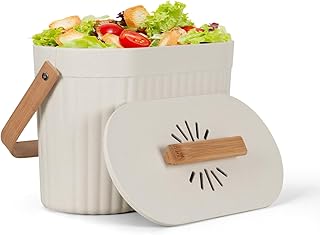
Odorless Counter Top Compost Bucket with Lid – Yatmung Small Kitchen Com…
Amazon$29.99
★★★☆☆3.9(73 reviews)
7. Watering Wisely

Water is key in organic gardens. Water in the morning to cut evaporation and stress. Give deep drinks less often so roots grow strong. Mulch to steady moisture and curb weeds.
Install drip lines to target roots and save water. Group plants by similar needs to simplify care. Track rainfall to skip watering after a good rain. With mindful watering, beds stay resilient through heat.
• Use drip irrigation to target roots efficiently
• Choose mulch to lock in moisture and reduce weeds
• Pick water scheduling based on needs and plants
• Add rain gauge to track rainfall
With calm watering, your garden remains healthy all season.
❝ Pro tip for your seasonal planting guide: water in the morning to cut evaporation, and give deep drinks so roots grow strong. Mulch keeps moisture steady and saves you from weeding stress. Drip irrigation targets roots, cuts waste, and makes watering delightfully simple.
Watering Wisely
Editor’s Choice
🛍️
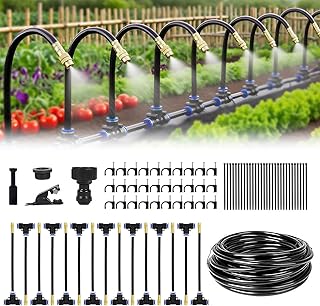
Automatic Drip Irrigation Kit – 50FT with Tool-Free Quick Connectors, 15…
Amazon$24.99
★★★★☆4.5(37 reviews)
📦
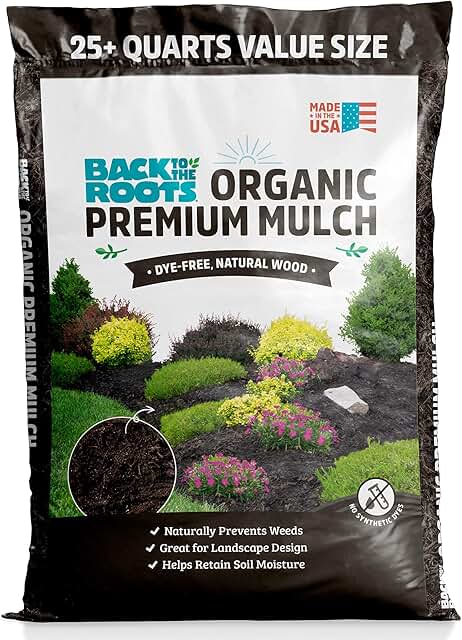
Back to the Roots 25.7qt (1 Cubic ft) Organic Premium Mulch
Amazon$25.10
★★★★4.4(7.8K reviews)

🎁
JMBay Rain Gauge Outdoor, Accurate rain gauges Outdoors Best Rated, Tall…
Amazon$9.48
★★★★4.4(6.8K reviews)
8. Harvesting and Enjoying Your Bounty

Harvest time brings real joy when produce shines at peak flavor. Pick fruits and vegetables at just the right moment for best taste. Use sharp tools to avoid damage and harvest in the cool morning for freshness. Watch for quick overripe signs and act fast.
Keep a harvest log to plan for next rounds. Share your bounty with neighbors to celebrate hard work. Save seeds from ripe fruit for future plantings. Celebrate the journey, not just the yields.
• Use sharp knives for clean cuts
• Choose early morning harvest routines
• Pick store-friendly harvest amounts for freshness
• Add seed saving for next season
Your harvest marks a joyful end and a fresh start.
Harvesting and Enjoying Your Bounty
Editor’s Choice
🛍️
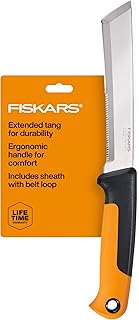
Fiskars Harvesting Knife, Gardening Gifts for Women, Serrated Edge Hand …
Amazon$18.95
★★★★4.4(236 reviews)

📦
Clever Fox Gardener’s Journal – Guided Gardening Notebook to Plant Veget…
Amazon$17.99
★★★★☆4.6(116 reviews)
🎁
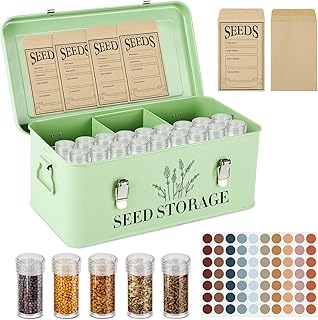
60 Slots Seed Storage Box with 4 Dividers, Metal Seed Storage Organizer,…
Amazon$39.99
★★★★4.4(14 reviews)
| Section | Key Points | Products | Cost |
|---|---|---|---|
| Choosing Your Organic Seeds | Use organic seeds | Back to the Roots Seeds | $19.99 |
| Understanding Seasonal Planting | Use zone-based calendars | Clever Fox Gardener’s Journal | $17.99 |
| Preparing Your Soil | Add compost and mulch | Premium Organic Compost | $21.97 |
| Selecting the Right Plants | Diversity is key | Wildflower Seeds Bulk | $17.46 |
| Sustainable Gardening Practices | Use native plants | Bonviee Drip Irrigation | $28.82 |
| Watering Wisely | Use drip irrigation | Automatic Drip Irrigation Kit | $24.99 |
| Harvesting and Enjoying | Use sharp tools | Fiskars Harvesting Knife | $18.95 |
9. Preparing for Next Season

Each season teaches new tricks. Review what grew well and what didn’t. Try novel varieties or methods to keep things lively. Clean beds, mulch, and plan now for spring.
Learn from neighbors and local groups. Buy seeds early to avoid shortages. Set clear goals to track progress next year. Let anticipation drive your next steps and keep the joy alive.
• Use seasonal notes to guide plans
• Choose new varieties to test each year
• Pick early seed purchases to avoid shortages
• Add progress goals for next season
With planning, your garden keeps growing and improving.
Preparing for Next Season
Editor’s Choice
🛍️
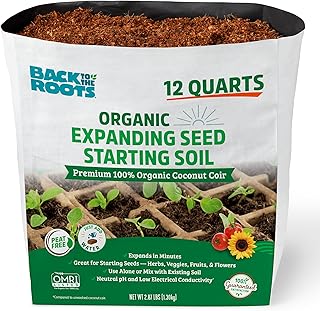
Back to the Roots Organic Seed Starting, Compressed Block expands to 12 …
Amazon$10.93
★★★★4.3(7.4K reviews)
📦
Clever Fox Gardener’s Journal – Guided Gardening Notebook to Plant Veget…
Amazon$17.99
★★★★☆4.6(116 reviews)

🎁
Back to the Roots 25.7qt (1 Cubic ft) Organic Premium Mulch
Amazon$25.10
★★★★4.4(7.8K reviews)
💡
Key Takeaways
Essential tips from this article
🌱
ESSENTIAL
Choose Organic Seeds
Select certified organic seeds to ensure healthy plants and support sustainable agriculture practices.
🌍
BEGINNER
Know Your Seasons
Understand local planting cycles to optimize growth and yield by planting at the right time.
🌾
PRO TIP
Prepare Soil Naturally
Enhance soil health by adding organic matter like compost, ensuring nutrients for your plants.
🐝
QUICK WIN
Encourage Wildlife
Plant diverse flowers to attract beneficial insects, enhancing pollination and pest control in your garden.
💧
ADVANCED
Water Wisely
Implement drip irrigation or soaker hoses to conserve water while keeping your plants hydrated.
♻️
ESSENTIAL
Compost Effectively
Start a compost bin to recycle kitchen scraps, enriching your soil and reducing waste.
Conclusion

Embracing organic gardening this season allows you to reconnect with nature while nurturing sustainability. From planting the right seeds to attracting wildlife, every step contributes to a thriving ecosystem. You are not just growing plants; you are cultivating a mindful approach to gardening that benefits both you and the environment.
Continue to explore these practices and share your gardening journey with others. Let your garden become a source of joy, nourishment, and inspiration!
Note: We aim to provide accurate product links, but some may occasionally expire or become unavailable. If this happens, please search directly on Amazon for the product or a suitable alternative.
This post contains Amazon affiliate links, meaning we may earn a small commission if you purchase through our links, at no extra cost to you.
Frequently Asked Questions
What Are the Best Organic Plants to Grow This Season?
When it comes to organic gardening, choosing the right plants for the season is key! Some fantastic options include heirloom tomatoes, zucchini, and herbs like basil and cilantro. These plants thrive during warmer months and can yield a bountiful harvest for your kitchen. Plus, they’re relatively easy to grow, making them perfect for both beginners and seasoned gardeners alike!
How Do I Start My Organic Garden Using This Seasonal Planting Guide?
Starting your organic garden is easier than you might think! Begin by selecting a sunny spot in your yard or balcony. Use the seasonal planting guide to determine what to plant based on your local climate. Then, prepare your soil with organic compost to enrich it. Don’t forget to choose organic seeds or seedlings to ensure your plants grow healthy and chemical-free. Happy planting!
What Are the Benefits of Sustainable Gardening Practices?
Sustainable gardening is all about caring for the environment while growing your own food. By adopting practices like composting, crop rotation, and using organic pest control, you not only enhance your garden’s health but also contribute to a healthier planet. These methods improve soil quality, reduce waste, and promote biodiversity, making your garden a haven for both plants and wildlife!
How Can I Maintain My Organic Garden Throughout the Season?
Maintaining your organic garden is a rewarding task! Regularly check your plants for pests and diseases, and apply organic remedies when necessary. Water your garden deeply but infrequently to encourage strong root growth. Mulching is another great tip—it helps retain moisture and suppress weeds. Lastly, keep an eye on your plants’ nutrient needs and supplement with organic fertilizers to keep them thriving all season long!
What Should I Know About Companion Planting in Organic Gardening?
Companion planting can be a game-changer for your organic garden! This technique involves planting different crops in proximity for mutual benefits. For example, pairing tomatoes with basil not only enhances flavor but also helps deter pests. Research which plants work well together, and you’ll create a thriving ecosystem in your garden while maximizing your harvest. It’s a fun, natural way to boost your organic gardening success!