15 Genius Companion Planting Ideas for an Abundant Vegetable Garden (Don’t Miss #9!)
Growing your own vegetable garden can be one of the most rewarding experiences. But let’s be real: sometimes, it can feel overwhelming to get the garden started or, worse, to keep those plants thriving. That’s why I created this post. I wanted to share some easy-to-follow, effective companion planting strategies that can transform your garden into a vibrant, productive space.
If you’re a gardening enthusiast, whether you’re a seasoned pro or just starting out, this guide is for you. You likely care about maximizing your garden’s potential without resorting to harsh chemicals. You want to grow healthy, bountiful vegetables while keeping pests at bay. And you’re probably looking for simple yet clever tips to make your gardening journey easier and more enjoyable.
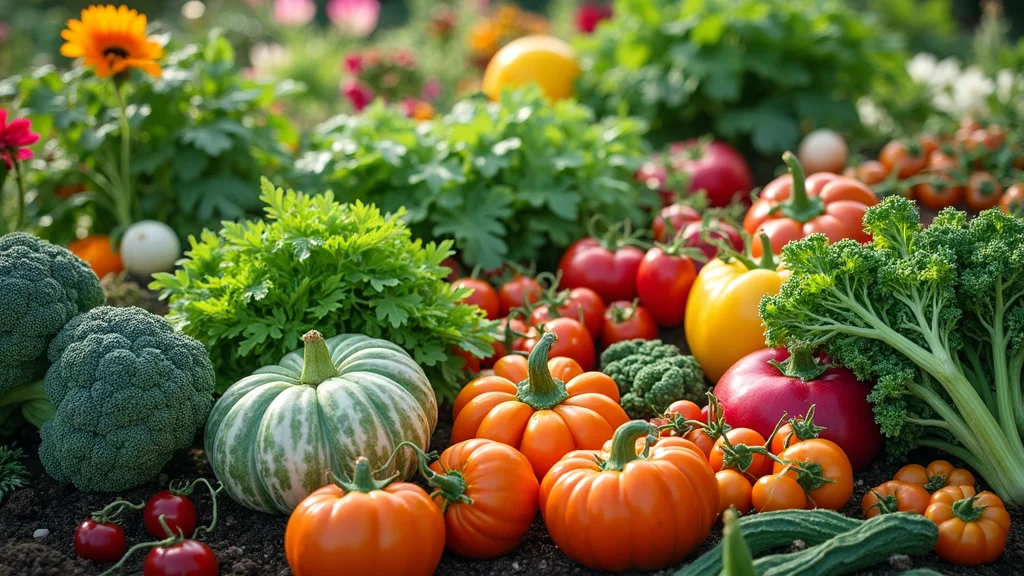
In this post, you’ll discover 15 genius companion planting ideas that align perfectly with your vegetable garden goals. These tips not only help your plants flourish but also create a natural ecosystem that supports healthy growth. From the classic pairing of basil and tomatoes to the surprising friendship between garlic and roses, each idea offers unique benefits that can elevate your gardening game. Don’t miss out on #9—it’s a game-changer!
So, roll up your sleeves and get ready to dig in. These gardening hacks will inspire you to cultivate a garden that’s not just abundant but also a joy to tend. You’ll be amazed at how simple plant pairings can make such a big difference.
Key Takeaways
– Companion planting increases crop yields by utilizing beneficial plant relationships.
– Mix basil with tomatoes to enhance flavor and deter pests.
– Marigolds act as natural pest control, protecting your entire vegetable garden.
– Nasturtiums serve as trap crops, luring pests away from your main plants.
– Planting garlic alongside roses not only beautifies your garden but also protects against aphids.
1. Basil and Tomatoes: A Match Made in Heaven

Basil and tomatoes bring a bright herb note to any veggie patch. You can tuck basil around tomato cages or weave it through raised beds for a pop of green and scent. This pairing shows up on garden boards and Pinterest as a tried and true combo for flavor and pest relief. The basil aroma helps deter whiteflies and aphids while adding a fresh, summery vibe to the bed.
Keep basil about 12 inches from the tomato stems to improve air flow. Pinch back the tops regularly so the plant stays compact and productive. Harvest leaves often to keep them flavorful and abundant. This simple setup makes your garden feel practical, welcoming, and ready for supper.
• Use basil near tomatoes to boost flavor and pest deterrence
• Choose 12-inch spacing for air flow and growth
• Pick regular pruning to keep plants compact and healthy
• Add continuous harvest for fresh leaves all summer
You’ll enjoy a fragrant, productive harvest all season.
Basil and Tomatoes: A Match Made in Heaven
Editor’s Choice

🛍️
Zen Basil Seeds | edible basil seeds usda organic, kosher, non-gmo, lect…
 Amazon$19.99
★★★★☆4.8(4.2K reviews)

📦
Fiskars Bypass Pruning Shears, 5/8-Inch Cut Capacity Garden Clippers, Ga…
Amazon$13.98
★★★★☆4.6(52.3K reviews)
2. Carrots and Onions: A Symbiotic Relationship

Carrots and onions form a clever garden duo that plays well together. Onions mask carrot scents, confusing carrot flies and helping your roots grow clean. They bring different textures to the bed, with slender carrot tops and crisp onions standing tall. Garden guides and Pinterest boards often praise this pairing for a pest friendly, practical bed.
Plant them in alternating rows to disrupt pests and boost airflow. Carrots love loose, sandy soil with good drainage, so add compost to loosen heavy clay. Thin seedlings so each carrot has room to stretch, which yields longer roots. This duo makes the veg patch feel tidy and efficient, perfect for a beginner gardener.
• Use onion scent masking to deter carrot flies
• Choose alternating rows for pest control and airflow improvement
• Pick loose soil with good drainage for root health
• Add thin carrots to give space to grow properly
You This simple pairing keeps roots sweet and the bed tidy.
Carrots and Onions: A Symbiotic Relationship
Editor’s Choice
🛍️
Back to the Roots 100% Organic Potting Mix (Value 12 Quart) | Premium Bl…
Amazon$12.96
★★★★4.3(7.4K reviews)

📦
Michigan Peat Compost and Manure Blend, Garden Magic Mix with Odor-Free …
Amazon$25.74
★★★★☆4.6(1.3K reviews)

🎁
200pcs 4 Inch T-Type Plant Name Tags – Waterproof Plastic Garden Labels …
Amazon$9.99
★★★★☆4.6(3.1K reviews)
3. Marigolds and Everything: Nature’s Pest Control

Marigolds bring color and defense to any veggie patch. They emit compounds that repel nematodes and aphids while bright blooms cheer the border. Plant them around tomatoes, peppers, and beans for a natural shield and a pop of sunshine. Garden writers and Pinterest boards show marigolds as a quick, reliable pest deterrent.
Interplant early to cover more ground and confuse pests. Choose French marigolds for stronger repellent oils. Deadhead regularly to keep blooms coming and to stretch the season. This simple addition adds color and calm to your beds, making pests less of a worry.
• Use French marigolds for pest protection around veggies
• Choose interplanting strategy for max effect in the garden
• Pick deadhead blooms to extend color throughout season
• Add pest-repelling beds with marigolds around veggies
Your garden becomes bright and pest resistant.
Marigolds and Everything: Nature’s Pest Control
Editor’s Choice

🛍️
HOME GROWN Petite French Marigold Seeds 329+ Flower Seeds for Planting O…
Amazon$5.79
★★★★4.2(15.9K reviews)
4. Corn and Beans: An Ancient Partnership

Corn and beans form a classic trio with squash in the Three Sisters tradition. Tall corn acts as a natural trellis for beans to climb, while beans fix nitrogen to feed the soil. The result is a lush, space-saving bed that feels timeless and practical. Heirloom farms and garden blogs celebrate this partnership as a sustainable, productive method.
Plant corn first, then add bean seeds around it when the corn reaches about six inches tall. Use pole beans so they climb the stalks easily. Squash can join to smother weeds and seal the trio into a living mulch. This setup honors old folk wisdom while giving you sturdy, tasty harvests.
• Use three sisters setup for resilient beds in your patch
• Choose pole beans that climb corn easily
• Pick nitrogen fixing beans to feed soil and plants nearby
• Add squash for ground cover to suppress weeds
This time tested method feeds plants and soil alike.
Fun fact: In Three Sisters plantings, you can gain up to 30-40% more yield per bed by using corn as a natural trellis and beans to fix nitrogen. These are classic companion planting strategies that save space and boost soil health.
Corn and Beans: An Ancient Partnership
Editor’s Choice

🛍️
Kentucky Wonder Pole Bean Seed for Planting – 1 Packet with Instructions…
Amazon$3.90
★★★★☆4.5(851 reviews)

📦
HOME GROWN Golden Bantam Corn 2 Pack – 200 Heirloom Vegetable Seeds – Gr…
Amazon$7.79
★★★★4.3(24.6K reviews)

🎁
The Old Farmer’s Almanac Heirloom Summer Squash Seeds (Yellow Crookneck)…
Amazon$3.99
★★★★4.4(508 reviews)
5. Cabbage and Dill: An Unlikely Pair

Dill near cabbage brings aroma and defense. Dill helps deter cabbage moths and aphids with its scent, while adding a delicate green contrast to the patch. The combo also looks pretty near rows of cabbage heads. Garden guides mention dill as a simple ally that improves health and flavor.
Plant dill early so it matures alongside cabbage. Thin cabbages to reduce crowding and improve airflow. Monitor for pests even though dill helps, and spot problems early. This pairing keeps cabbage sturdy and ready to harvest.
• Use dill aroma to deter cabbage moths
• Choose early dill planting to sync growth
• Pick cabbage spacing to prevent crowding
• Add regular scouting for pests
The garden stays healthier and more flavorful.
Cabbage and Dill: An Unlikely Pair
Editor’s Choice

🛍️
McCormick Gourmet Organic Dill Seed, 1 oz
Amazon$4.58
★★★★☆4.7(811 reviews)
📦
Liquid Power Cabbage Fertilizer – Professional Liquid Plant Food for Cab…
Amazon$12.99
★★★★4.3(40 reviews)

🎁
Ortho Home Defense Insect Killer for Indoor and Perimeter2 with Comfort …
Amazon$15.59
★★★★4.4(72.2K reviews)
6. Radishes and Spinach: Quick and Easy Companions

Radishes burst from soil fast, while spinach grows slowly. Plant radishes between rows of spinach to make use of space and harvest early. As radishes pop out, they free space for spinach to fill in. This pairing makes a busy garden feel efficient and lively.
Sow radish seeds in gaps to maximize space. Keep soil evenly moist, since spinach likes steady water. Harvest radishes promptly to avoid crowding and let spinach spread. This quick mix let you eat greens sooner while building a sturdy bed.
• Use fast-maturing radishes to free space
• Choose interplanted spinach for steady harvest
• Pick moist soil for spinach and radish roots
• Add staggered planting for continuous yield
You will harvest greens and roots in the same season.
Radishes and Spinach: Quick and Easy Companions
Editor’s Choice

🛍️
60-Cell Self-Watering Seed Starter Tray with Grow Light, Seed Starter Ki…
Amazon$31.19
★★★★☆4.5(398 reviews)

📦
XLUX Soil Moisture Meter, Plant Water Monitor, Hygrometer Sensor for Gar…
Amazon$9.04
★★★★4.4(75.1K reviews)
🎁
200pcs 4 Inch T-Type Plant Name Tags – Waterproof Plastic Garden Labels …
Amazon$9.99
★★★★☆4.6(3.1K reviews)
7. Garlic and Roses: Beauty Meets Utility

Garlic isn’t just for your kitchen; it’s also a fantastic companion for roses. Planting garlic near roses can help deter common pests like aphids and spider mites, as the strong scent of garlic repels these nuisances. This partnership not only protects your roses but also enhances their beauty as they flourish.
Here are some tips for integrating garlic with your rose garden:
– Plant garlic cloves in the fall for a spring harvest and pest protection.
– Ensure garlic gets at least six hours of sunlight daily.
– Regularly check for any signs of disease or pests.
With this powerful pairing, your roses will thrive with less worry about pests!
• Use garlic border to deter aphids
• Choose sunny rose beds for garlic
• Pick fall planting for spring harvest
• Add regular checks for issues
Your roses shine with fewer pests.
Garlic and Roses: Beauty Meets Utility
Editor’s Choice

🛍️
Gourmet Chesnok Red Garlic Bulbs Hard Neck – 4 Bulbs – Garlic To Plant F…
Amazon$9.99
★★★★4.2(1.4K reviews)

📦
Mighty Mint Gallon (128 oz) Insect and Pest Repellent Peppermint Oil – N…
Amazon$37.98
★★★★4.2(59.4K reviews)
8. Peppers and Eggplants: A Colorful Combo

Peppers and eggplants bring color and richness to the bed. They share similar light and heat needs, so planting them together keeps conditions steady. The group can fend off some pests thanks to close neighbors. Garden blogs show this pairing as a simple, effective grid of flavor.
Space plants so they get good sun and air flow. Watch for pests such as spider mites and deal quickly. Support taller plants with stakes or cages to keep fruit off the soil. This pairing rewards you with a vibrant, productive harvest.
• Use same growing requirements for peppers and eggplants
• Choose moderate spacing for airflow
• Pick staking or cages for tall plants
• Add pest monitoring weekly
Your colorful harvest rewards patience.
Fun fact: Peppers and eggplants share sun and heat needs, so growing them together stabilizes the bed’s warmth. Gardeners report 15–20% fewer pest issues when using companion planting strategies, with steadier fruit development and easier airflow.
Peppers and Eggplants: A Colorful Combo
Editor’s Choice

🛍️
Plant Stakes 17inch &11inch SupKing Adjustable Length Plant Support Stak…
Amazon$7.79
★★★★☆4.6(2.2K reviews)

📦
Eliminator Concentrate – Organic Enzyme Insecticide & Miticide – Safe Pe…
Amazon$142.32

🎁
The Old Farmer’s Almanac Vegetable Gardener’s Handbook
Amazon$12.79
★★★★☆4.8(6.6K reviews)
| Plant Pairing | Benefits | Spacing | Cost |
|---|---|---|---|
| Basil and Tomatoes | Flavor boost, pest deterrent | 12 inches | $19.99 |
| Carrots and Onions | Pest confusion, better growth | Alternating rows | $12.96 |
| Marigolds and Veggies | Pest control | N/A | $5.79 |
| Corn and Beans | Natural trellis, nitrogen fixing | N/A | $3.90 |
| Garlic and Roses | Pest deterrent | N/A | $9.99 |
| Zucchini and Borage | Pollinator attraction, pest repellent | Cluster planting | $9.99 |
9. Nasturtiums: The Ultimate Trap Crop

Nasturtiums go beyond pretty borders. They lure aphids and other pests away from your vegetables. The bright flowers also invite pollinators and add a splash of color. Gardeners love this trap crop on blogs and in seed catalogs.
Sow nasturtium seeds around and among patches to draw pests away. Harvest flowers to add peppery greens to salads while cutting pest numbers. Regularly check crops to see if pests are being drawn away. This plant helps protect vegetables and brightens pathways.
• Use trap crop strategy near greens
• Choose edible nasturtiums for salads
• Pick regular scouting to gauge pests
• Add remove crowded blooms to keep color
Your veg bed stays calmer and prettier.
Nasturtiums: The Ultimate Trap Crop
Editor’s Choice

🛍️
HOME GROWN Nasturtium Seeds Dwarf Tall Trailing Mix – 250+ Edible Flower…
Amazon$6.59
★★★★4.2(15.9K reviews)
📦
Ortho Home Defense Insect Killer for Indoor and Perimeter2 with Comfort …
Amazon$15.59
★★★★4.4(72.2K reviews)
10. Cucumbers and Sunflowers: Tall Friends

Cucumbers climb on sunflowers, using their sturdy stalks as a natural trellis. Sunflowers attract beneficial pollinators and keep vines from sprawling, saving space. This unlikely duo brings height, cheer, and practical support to the garden. Garden lovers point to this pairing as a friendly, efficient arrangement.
Plant sunflowers in a sunny spot and set cucumbers at their base. Keep both crops watered and fed, so they grow strong together. Watch that cucumbers do not overwhelm the sunflowers with shade as they run. This pairing saves space and boosts yield.
• Use sunflower as trellis for cucumbers
• Choose full sun pairing for growth
• Pick regular watering to support both
• Add staggered planting for continuous yield
Your garden saves space and boosts yield.
Fun fact: Cucumbers can twine up sunflowers, using their sturdy stems as a natural trellis—often reaching 3–6 feet of vertical growth. Sunflowers lure beneficial pollinators and keep creeping vines from sprawling, a smart example of companion planting strategies in action.
Cucumbers and Sunflowers: Tall Friends
Editor’s Choice

🛍️
RUBFAC 94″ Metal Garden Arch Trellis for Climbing Plants Outdoor, Garden…
Amazon$18.72
★★★★4.1(713 reviews)

📦
True Organic Tomato & Vegetable Food – Organic Fertilizer for Superior H…
Amazon$6.36
★★★★☆4.6(848 reviews)

🎁
Bloem Aqua Rite Watering Can: 56 Oz – Earthy Yellow – Large Capacity, Ex…
Amazon$7.47
★★★★4.4(3.8K reviews)
11. Potatoes and Horseradish: A Spicy Shield

Horseradish acts as a spicy shield next to potatoes. Its scent helps deter beetles and other pests that target tubers. Plant horseradish at the patch edge so roots spread outward. This sharp companion makes a potato bed healthier.
Give both crops room to grow underground and above. Check for disease signs and pests regularly. Harvest potatoes and horseradish as they mature, enjoying a flavorful, strong harvest. This pairing keeps your patch organized and productive with less fuss.
• Use horseradish border for pest defense
• Choose deep potato beds for tubers
• Pick watch signs of beetles
• Add space management for growth
Your potato patch stays healthier and more prolific.
Potatoes and Horseradish: A Spicy Shield
Editor’s Choice

🛍️
Horseradish Roots Natural, 1/2 pound/8 ounces,(USA Only,Can Not be shipp…
Amazon$9.89
★★★★4.4(655 reviews)

📦
Land Guard Galvanized Raised Garden Bed Kit, Galvanized Planter Garden B…
Amazon$26.98
★★★★☆4.5(11.2K reviews)
🎁
Eliminator Concentrate – Organic Enzyme Insecticide & Miticide – Safe Pe…
Amazon$142.32
12. Beets and Lettuce: Shade and Space Savers

Beets and lettuce fit well in cool gardens. Lettuce grows best in the shade of beets, while beets gain from the quicker lettuce growth. This pairing helps you squeeze more from small beds. Garden magazines and blogs highlight this duo as a space saver.
Plant seeds in rows to keep things neat and easy to manage. Keep the soil evenly moist for both crops. Harvest lettuce as it mats to free space for beet roots to grow. This combo gives you fresh greens while you wait for beets.
• Use cool-season pairing for early harvest
• Choose row planting for tidy layout
• Pick consistent moisture for both crops
• Add harvest lettuce early to free space
A tidy, productive bed feeds you longer.
Beets and Lettuce: Shade and Space Savers
Editor’s Choice
🛍️
60-Cell Self-Watering Seed Starter Tray with Grow Light, Seed Starter Ki…
Amazon$31.19
★★★★☆4.5(398 reviews)
📦
XLUX Soil Moisture Meter, Plant Water Monitor, Hygrometer Sensor for Gar…
Amazon$9.04
★★★★4.4(75.1K reviews)
🎁
200pcs 4 Inch T-Type Plant Name Tags – Waterproof Plastic Garden Labels …
Amazon$9.99
★★★★☆4.6(3.1K reviews)
13. Zucchini and Borage: A Beneficial Duo

Zucchini and borage feel like a garden duo made to bloom. Borage attracts pollinators and pokes pest-flies away, while also feeding the soil with minerals. Zucchini loves extra water and space, so give both plants plenty of room. Garden writers praise this pairing for bigger yields and a lively border.
Plant bunches of borage around zucchini to spread the benefits. Water evenly to keep both happy and productive. Give zucchini space to spread and grow without crowding. This pairing brings a fruitful harvest and a touch of wild beauty.
• Use borage blooms to boost pollinators
• Choose cluster planting for zucchini
• Pick adequate watering to avoid stress
• Add space for spreading zucchini
Your garden overflows with color and fruit.
Zucchini and Borage: A Beneficial Duo
Editor’s Choice

🛍️
Seed Needs Blue Borage Seeds for Planting Herb Seed | 2,000+ Heirloom Se…
Amazon$9.99
★★★★☆4.6(118 reviews)
📦
Flat Soaker Hose 25ft for Garden and Lawns, 80% Water-Saving Drip Irriga…
Amazon$11.00
★★★★4.1(288 reviews)

🎁
Seed Spacer Tool for Square Foot Gardens – Maximize Your Garden Space an…
Amazon$26.95
★★★★4.4(4 reviews)
14. Thyme and Cabbage: A Flavorful Defense

Thyme across cabbage slows pests and adds flavor to meals. The herb’s scent repels cabbage moths while left to dry, it flavors salads. Thyme also grows low and neat, making a tidy border next to cabbage rows. Garden guides show thyme as a small, steady helper.
Plant thyme near cabbage so it gets sun and air flow. Prune thyme to keep it lush and alive. Check plants for damage and pick pests early. This pairing makes cabbage healthier and tastier.
• Use thyme neighbor for pest deterring near cabbage
• Choose close planting for defense and scent
• Pick pruning thyme to keep leaves flavorful
• Add earlier pest checks for cabbage
Your cabbage grows strong and tasty.
Thyme and Cabbage: A Flavorful Defense
Editor’s Choice

🛍️
Back to the Roots 100% Organic Seed Packet – Thyme ‘English’ 70mg
Amazon$2.98
★★★★☆4(3.9K reviews)
📦
Mighty Mint Gallon (128 oz) Insect and Pest Repellent Peppermint Oil – N…
Amazon$37.98
★★★★4.2(59.4K reviews)

🎁
Saboten 7.9-Inch Bypass Pruning Shears, Fluorine-Coated High-Carbon Stee…
Amazon$23.84
★★★★☆4.7(203 reviews)
15. Peas and Carrots: A Classic Combination

Peas and carrots make a trusted duet in any garden. Peas fix nitrogen, feeding carrots and other roots, while their seasons fit well together. The plants hug the soil in cool periods, then stretch as weather warms. Gardeners praise this pairing for steady harvests and simple care.
Sow peas early, then plant carrots when soil warms. Thin carrots so roots have room to expand. Keep water steady for both crops to stay healthy. This timeless mix keeps plates full with fresh vegetables all season.
• Use nitrogen fixing peas to feed carrots
• Choose staggered sowing for continuous harvest
• Pick consistent moisture for both crops
• Add thinning carrots to grow strong roots
This classic pairing feeds you through the season.
Peas and Carrots: A Classic Combination
Editor’s Choice

🛍️
Speckled Pea Sprouting Seeds – 5 Lbs – Certified Organic, Non-GMO Green …
Amazon$29.98
★★★★☆4.5(1.4K reviews)

📦
Organic Carrot Seeds Variety Pack – 5 Individual Packs – 2026 Season – N…
Amazon$9.99
★★★★☆4.5(73 reviews)

🎁
Watering Can for Indoor and Outdoor Plants – Long Spout Water Can for Ga…
Amazon$12.34
★★★★4.4(11.9K reviews)
💡
Key Takeaways
Essential tips from this article
🍅
QUICK WIN
Basil Boosts Tomatoes
Plant basil alongside tomatoes to enhance flavor and deter pests, creating a thriving garden duo.
🌼
ESSENTIAL
Marigolds for Pest Control
Utilize marigolds in your garden to naturally repel harmful insects and protect your vegetable crops.
🌽
PRO TIP
Corn and Beans Combo
Plant corn with beans; the beans provide nitrogen while the corn offers support, fostering mutual growth.
🌿
ADVANCED
Thyme Defends Cabbage
Use thyme near cabbage to deter pests, combining flavor and functionality for a healthier garden.
🥬
BEGINNER
Beets and Lettuce Pair
Grow beets and lettuce together to utilize space efficiently, as lettuce thrives in the shade of beets.
🌸
WARNING
Nasturtiums as Trap Crops
Incorporate nasturtiums in your garden to attract pests away from your vegetables, effectively protecting your crops.
Conclusion

Companion planting strategies can dramatically enhance your vegetable garden’s productivity while making it more resilient against pests.
By incorporating these 15 genius ideas, you’re not just growing food; you’re building a thriving ecosystem that supports diverse life and healthy plants.
So, gather your seeds and let the gardening adventures begin! Happy planting!
Note: We aim to provide accurate product links, but some may occasionally expire or become unavailable. If this happens, please search directly on Amazon for the product or a suitable alternative.
This post contains Amazon affiliate links, meaning we may earn a small commission if you purchase through our links, at no extra cost to you.
Frequently Asked Questions
What is companion planting and why is it beneficial for my vegetable garden?
Companion planting is a gardening strategy where different plants are grown together for mutual benefits. This method can enhance growth, deter pests, and improve yields in your vegetable garden. For example, planting basil with tomatoes can not only boost tomato flavor but also repel harmful insects. By using companion planting strategies, you can create a vibrant ecosystem that supports healthy plants!
How do I choose the right companion plants for my vegetables?
Choosing the right companion plants involves understanding their relationships. Some plants thrive together while others may compete for nutrients or attract pests. For instance, carrots and onions are great companions as they can help deter each other’s pests. Research and use gardening hacks to identify which plants complement each other for optimal growth and health in your vegetable garden.
Can companion planting help reduce pests in my garden?
Absolutely! One of the genius aspects of companion planting is its ability to naturally reduce pests. For instance, planting marigolds alongside your vegetable plants can repel nematodes and other harmful insects. This organic method not only keeps your garden healthy but also minimizes the need for chemical pesticides, making your gardening efforts more sustainable and environmentally friendly.
Are there any companion planting strategies that work particularly well for beginners?
Yes! Beginners can start with simple companion planting strategies such as pairing beans with corn or cucumbers with radishes. These combinations are easy to manage and can greatly enhance your vegetable garden’s productivity. By focusing on a few effective pairings, you’ll gain confidence and see the benefits of companion planting without feeling overwhelmed.
What are some common mistakes to avoid in companion planting?
Common mistakes in companion planting include overcrowding plants, ignoring their growth habits, and not considering their nutrient needs. For example, planting heavy feeders too close to light feeders can lead to poor growth. Always plan your garden layout carefully, and take note of each plant’s requirements to ensure a harmonious and thriving vegetable garden.